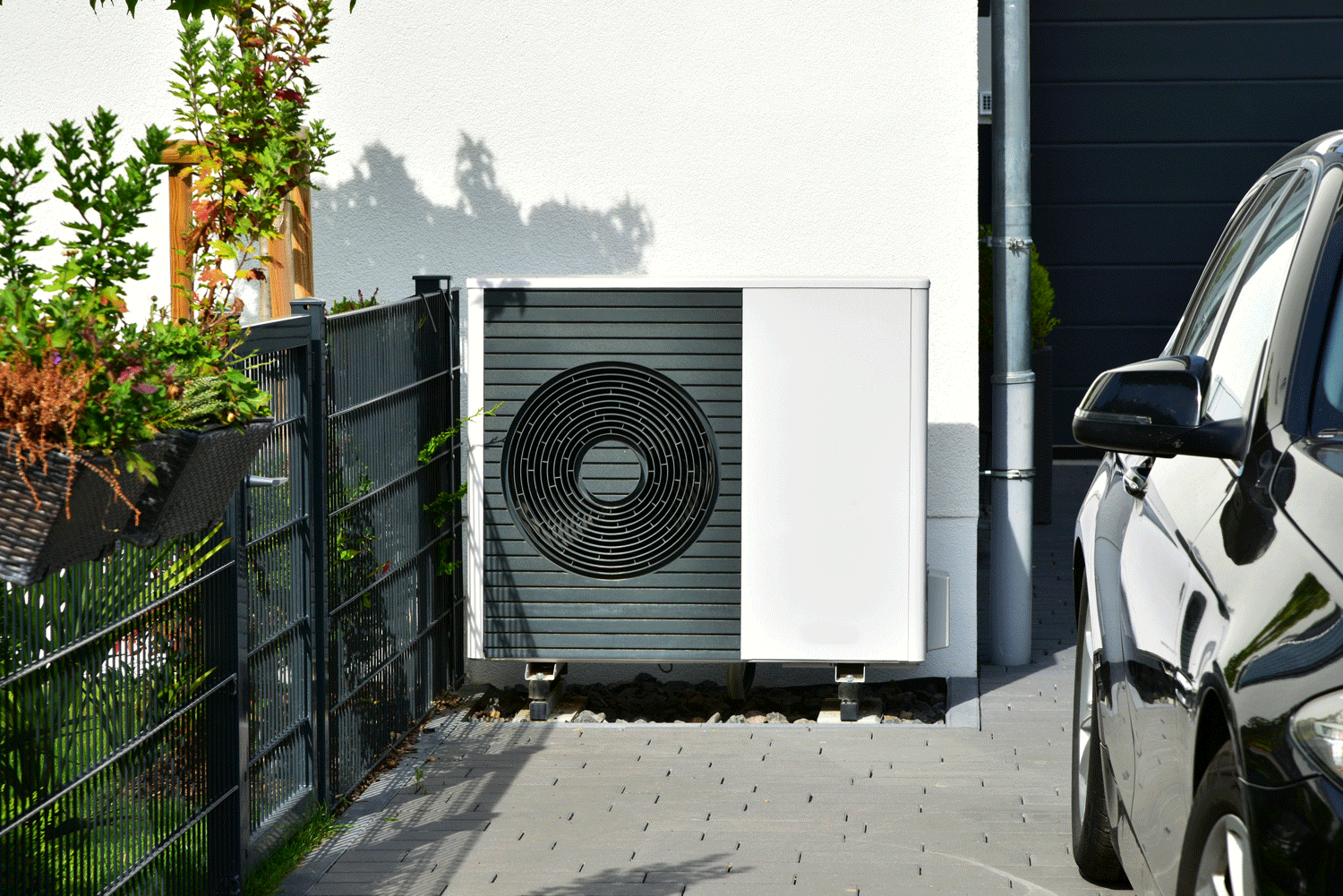
Heat pump: Tenant's payment for heat. As a property owner, it may make sense to consider replacing the property's heat source with a heat pump, which is considered a green and energy-saving solution. This is especially true if the property has, for example, an oil or gas boiler.
You can buy the heat pump, but it is also possible to enter into a subscription agreement with an energy supplier who installs the heat pump in your property, which is what the landlord had done in the case.
The landlord, who rented out a detached house, had entered into a subscription agreement for the supply of "green heat" via a heat pump. The purpose was to replace the previous oil boiler with a cheaper and more environmentally friendly heat source. The agreement meant that the landlord had to pay 1) a one-off payment, 2) a fixed monthly subscription amount for ongoing service, maintenance, operation and administration and 3) consumption of heat.
As part of the arrangement with the energy supplier, the heat pump's power consumption to produce the heat was reimbursed with a unit price calculated by the energy supplier.
As the landlord had rented out his property, it was agreed that the tenant would pay for the heat consumption, while the landlord would pay the one-off payment and the subscription amount, and a direct customer relationship was established between the tenant and the energy supplier.

The tenant subsequently brought a case before the Rent Board, as the tenant was of the opinion that it was only obliged to pay for the electricity consumption that the heat pump used to produce the heat supplied and not for the heat supplied in the lease, i.e. the output, just as the tenant was of the opinion that the tenant was required to pay increased prices for electricity and heat as a result of the landlord's arrangement with the energy supplier regarding the heat pump, which was in favor of the landlord.
The Rent Board agreed with what we had argued in the case, i.a. that the specific arrangement in this case can be compared to leases where heating is provided by district heating. In these cases, the tenant also pays according to the heat consumed - i.e. the output - and not according to the amount of fuel consumed to produce the heat.
The landlord was therefore successful in the way in which the tenant was to pay for its heat consumption in the lease, which was also determined by the energy supplier in the statements that were prepared and sent to the tenant, and that the landlord's arrangement with the energy supplier did not result in a financial advantage for the landlord in the payment arrangement that constituted the tenant's payment for heat.
In cases where the landlord has purchased and owns the heat pump, the situation may be different, as settlement will probably be based on the electricity statement for the lease in relation to the heat consumed in the lease.
If you have questions about utility bills in leases or any other tenancy law issues, you are always welcome to contact CLEMENS' experts in our tenancy law team.