Vedligeholdelse af betonaltaner: en udlejer blev i februar 2024 pålagt erstatningsansvar for personskade, da en altan på 1. sal kollapsede, mens fem personer stod på altanen.
Altankollapset skete omtrent et år efter, at udlejer havde erhvervet ejendommen.
I retssagen var hovedspørgsmålet, om udlejer havde handlet ansvarspådragende ved ikke at have undersøgt altanen godt nok i sin ejertid.
Standen på altaner bør være et fokusområde, hvis man ejer en ejendom med altaner af ældre dato, eller man påtænker at erhverve en sådan ejendom.
Undersøgelser af altaner
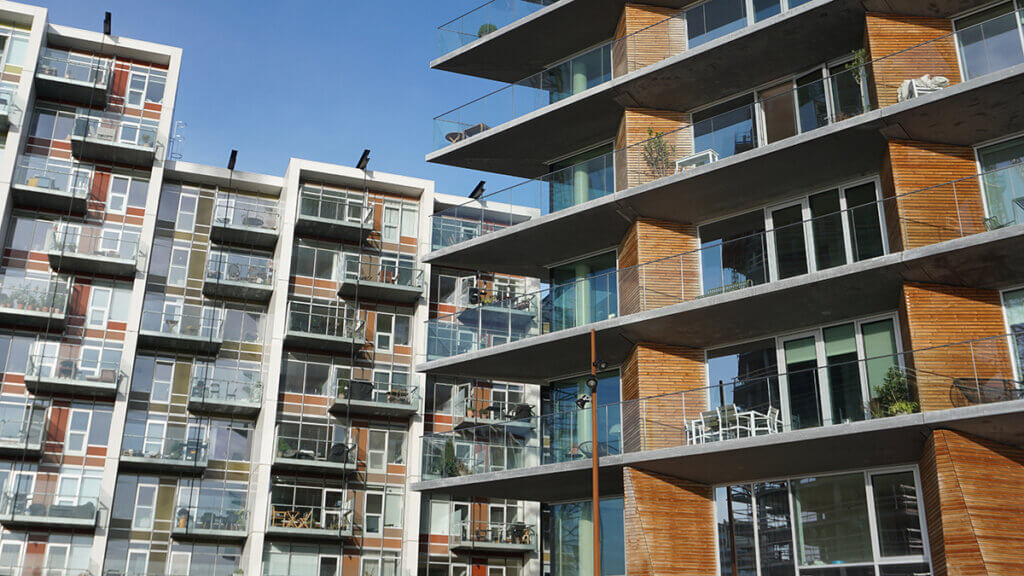
Langt de fleste ældre betonaltaner er enten udført som understøttede altaner eller udkragede altaner.
Levetiden for betonaltaner kan variere, og det afhænger bl.a. af den miljømæssige eksponering som vind og vejr samt kvaliteten ved opførelsen og den løbende vedligeholdelse af betonaltaner.
Retssagen vedrørte en udkraget altan med udliggerjern. Altaner udført med udliggerjern er udbredt på ejendomme fra 1900-1960’erne. Kritisk nedbrydning af de bærende stålprofiler på disse altaner kan være skjult i facaden, uden det medfører synlige tegn på overfladen.
Ejere af ejendomme med ældre altaner – eller hvis man påtænker sig at erhverve en sådan ejendom – bør indhente de oprindelige konstruktionstegninger på kommunens byggeweb. Konstruktionstegningerne kan belyse konstruktionsopbygningen, hvilket har betydning for statikken og hvilke løbende vedligeholdelsesbehov, der er.
Man bør også orientere sig i de to vejledninger udarbejdet af Teknologisk Institut i 2017 for daværende Trafik-, Bygge- og Boligstyrelsen:
- ”Vejledning om eftersyn af ældre betonaltaner”
- ”Udkragede altaner med udliggerjern – har du én?”
Samt vejledningen udarbejdet af Teknologisk Institut i 2019 med støtte fra Grundejerens Investeringsfond (GI):
- ”Er min altan sikker?”
I disse vejledninger får man som ejer et indblik i de forskellige typer af altaner, hvad man skal se efter, hvordan der bør ske vedligeholdelse af betonaltaner, og hvornår det anbefales at få en fagperson til at gennemgå altanen.
Dommen
Udlejer erhvervede i 2019 en etageejendom fra 1903, som bestod af tre lejemål fordelt på tre etager.
Forinden erhvervelsen besigtigede udlejer, som selv havde et tømrerfirma, ejendommen udvendigt fra grundplan. Udlejer anvendte ikke øvrige fagpersoner til vurdering af ejendommens stand.
Udlejer så ved sin besigtigelse af altanen, at der var brækket flig af betonen, og at jernet, herunder gelænderet, var lettere rusten, men at den virkede til at være i god stand.
Alligevel kollapsede altanen på 1. sal i 2020, hvor fem personer, som befandt sig på altanen, blev kvæstet.
Uheldet blev politimæssigt efterforsket, og der blev på foranledning af (daværende) Trafik- Bygge- og Boligstyrelsen foretaget en teknisk undersøgelse af altanen. Årsagen til kollapset var nedbrudte udliggerjern. Da der ikke var rimelig formodning for, at der var begået noget strafbart, standsede politiet efterforsikringen.
I den civileretssag om udlejers erstatningsansvar blev den sagkyndige, som havde udarbejdet den tekniske undersøgelse, indkaldt som vidne.
Han udtalte, at rustudfældningerne på udliggerjernenes underside sammenholdt med afskalningerne af betonen burde have ført til en undersøgelse af altanen. Rustudfældningerne var dog uden sammenhæng med det kritiske snit, men det var et tegn på, at altanen var gammel og ikke rustbeskyttet.
Den rust, der var dannet i det kritiske snit, kunne umiddelbart ikke ses ved en besigtigelse. Det var nødvendigt med en relativ lille ophugning for at komme ind til det kritiske snit til brug for vurderingen af altanens stand.
Byretten lagde til grund, at de synlige dele af stålprofilerne fremstod med angreb af rust og afskalninger af betonen, hvilket skulle have ført til, at udlejer burde have foretaget en nærmere undersøgelse af altanen. Fordi der ikke var foretaget en nærmere undersøgelse af altanen – eller vedligehold i øvrigt – havde udlejer handlet ansvarspådragende.
Dommen blev anket af udlejer.
I landsretten uddybede den sagkyndige, at en almindelig overfladisk gennemgang af altanen ikke ville have afsløret problemet.
Det følger af byggelovens §14, at man som ejer er forpligtet til at sikre, at ens ejendom er i forsvarlig stand.
Landsretten fandt, at altanen ikke var forsvarlig, fordi den kollapsede som følge af korrosion i udliggerjernene inde i murværket.
Landsretten kom frem til, at altanen fremstod i en stand, som burde have fået udlejer til at undersøge altanen nærmere. Udlejer havde handlet ansvarspådragende ved ikke at have undersøgt altanen nærmere. Dette var uanset, at de synlige skader på altanen ikke var årsag til kollapset.
Udlejers pligter
Dommen illustrerer udlejers forpligtelse til at sikre, at ejendommen er i forsvarlig stand, så ejendommen ikke er til fare for beboere eller andre.
Udlejer skal være opmærksom på, at synlige forhold – som ikke nødvendigvis i sig selv er kritiske – kan føre til en forpligtelse til at undersøge konstruktionen nærmere.
En manglende undersøgelse eller manglende vedligeholdelse af betonaltaner kan være ansvarspådragende, hvis der måtte indtræde en skade.
CLEMENS er specialister i boliglejeret og lejemål i erhvervsejendomme og rådgivning om samme.
Har du spørgsmål vedrørende artiklen eller udlejning i øvrigt, er du velkommen til at kontakte os.
(Artiklen har vi skrevet til magasinet Danske Udlejere, september 2024)